
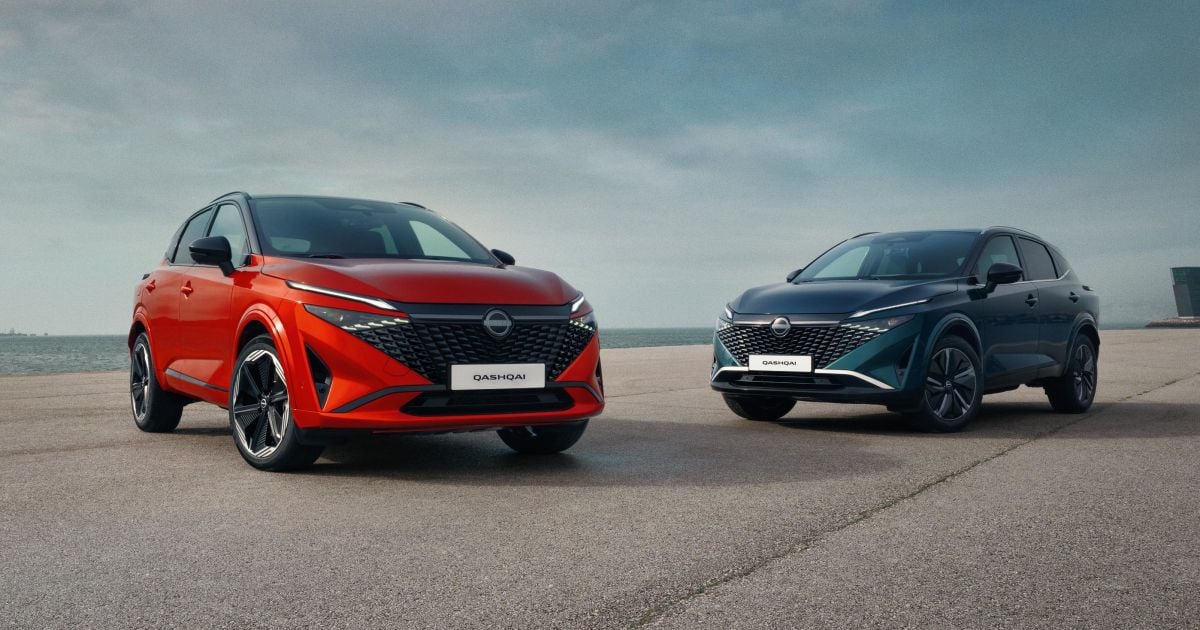
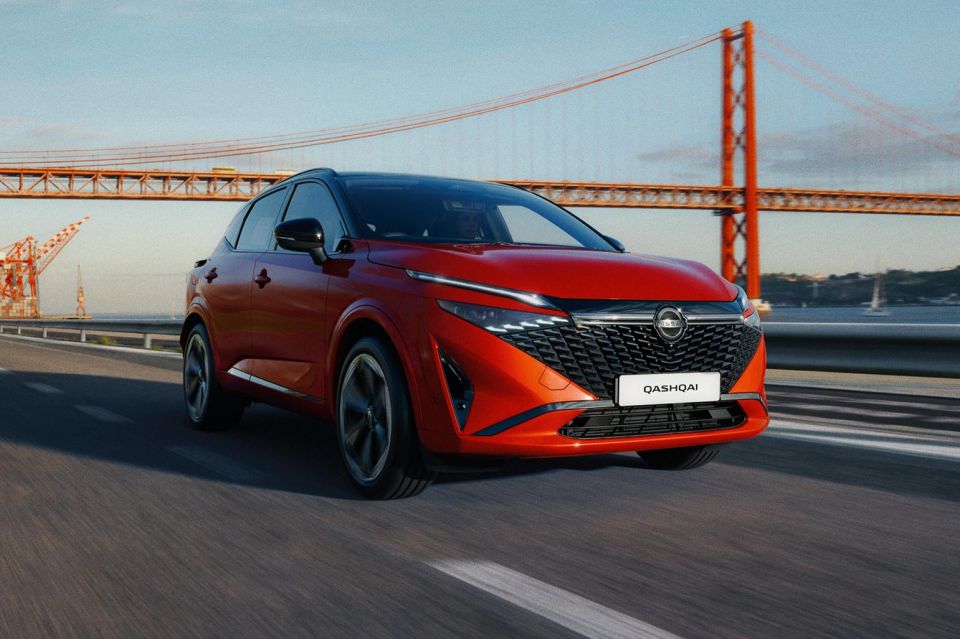
Nissan Australia has confirmed pricing and initial details for its upgraded 2026 Qashqai small SUV lineup, which will be exclusively offered with the latest iteration of the brand’s e-Power series hybrid powertrain.
Due to land in local showrooms in March, the MY26 Nissan Qashqai brings a base price rise of more than $10,000, to $45,640 plus on-road costs, following the culling of petrol-only variants and the entry-level ST trim level Down Under.
Headlining the 2026 model year update is the range-wide adoption of the upgraded e-Power hybrid drivetrain, which is claimed to lower combined fuel consumption from 4.8 to 4.1L/100km, and reduces CO2 emissions by nearly 18 per cent to just 92g/km.
Nissan also proudly boasts that the new ‘5-in-1’ modular e-Power drivetrain incorporates high-pressure cast-aluminium componentry manufactured at the Japanese brand’s Australian casting plant in Dandenong, Victoria.
CarExpert can save you thousands on a new car. Click here to get a great deal.

The enhanced powertrain is also said to deliver a more refined drive, with the cabin claimed to be 5.6dB quieter than before, while also delivering a 10kW-plus power boost when Sport mode is selected.
Other updates for MY26 includes a new ST-L e-Power entry variant (priced from $45,640), as well as an enhanced Digital Around View Monitor – or 360-degree camera – with 3D views, ‘Skeleton Hood’ function, and T-junction support.
Improvements have also been made to the Qashqai’s driver assistance technology suite (now dubbed ProPILOT+), which now includes the ability to detect vehicles in adjacent lanes, offering improved lane keeping assist functionality, as well as updated display graphics.
While the new Digital Around View Monitor is standard across the range, the enhanced ProPILOT+ features are available from the Ti grade and up.
Nissan says its move to completely electrify the Qashqai range in Australia is in direct response to the federal government’s New Vehicle Efficiency Standard (NVES) – which from January 1 this year reduces the CO2 target for Type 1 passenger vehicles from 141 to 116g/km.
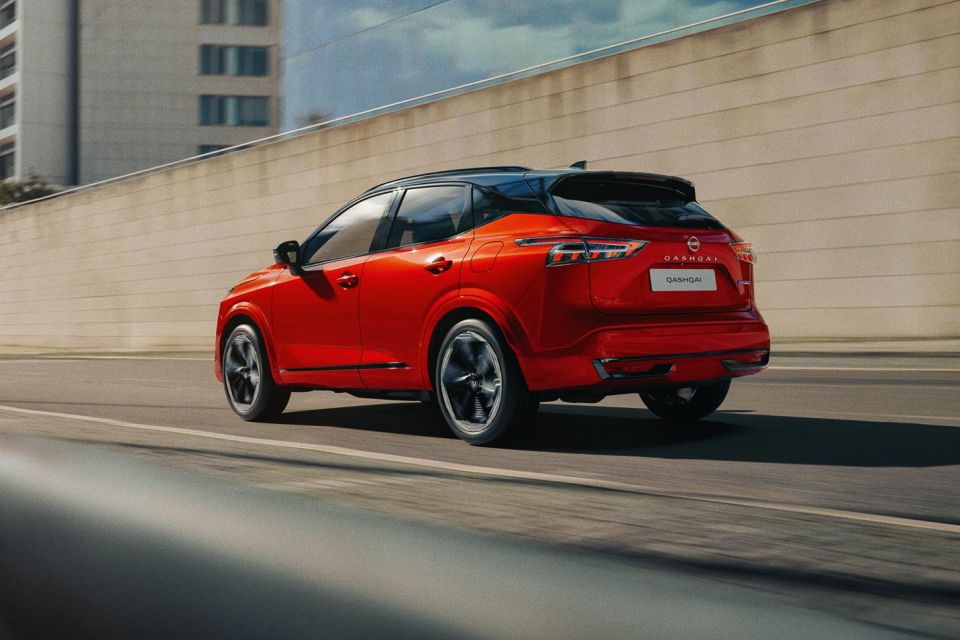
While base pricing has increased by some $11,000, the 2026 Nissan Qashqai ST-L e-Power is also $6975 more expensive than the outgoing MY25 Qashqai ST-L with a 1.3-litre turbocharged petrol engine.
Elsewhere in the range, the Ti and Ti-L e-Power variants have received smaller price increases of between $1300-$2500, while the flagship N-Design e-Power is actually around $200 cheaper than before.
While a full specification breakdown hasn’t yet been provided, Nissan has provided some preliminary details about standard equipment.
Specification highlights across the range include:
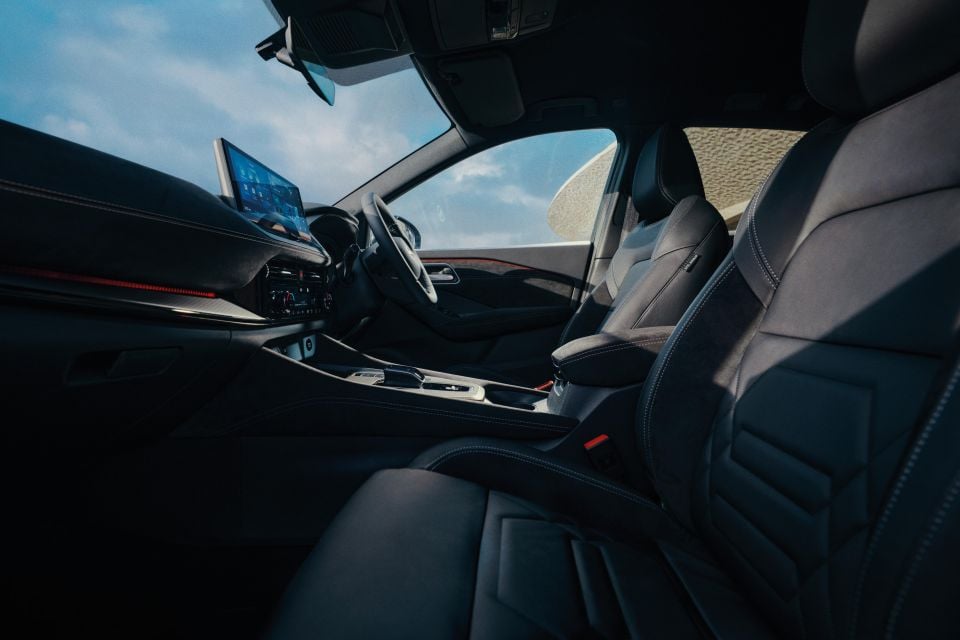
- 12.3-inch touchscreen infotainment system
- Wireless Apple CarPlay, Android Auto
- Wireless smartphone charger
- NissanConnect Services
- Nissan Intelligent Mobility safety suite
- Intelligent Key incl. approach unlock, walk-away lock
- Dual-zone climate control
The 2026 Nissan Qashqai will remain backed by the Japanese brand’s 10-year/300,000km conditional new-vehicle warranty, which requires servicing at a Nissan dealer during that period.
Additionally, owners will get roadside assistance for the same 10-year period if their vehicle is maintained within the brand’s national dealer network, with a five-year Flat Price Service program advertised for all of its models.
For the MY25 Nissan Qashqai range (including e-Power variants), the first five services each cost $399.
Pricing
|
Model |
Price before on-road costs |
|---|---|
|
2026 Nissan Qashqai ST-L e-Power |
$45,640 (NEW) |
|
2026 Nissan Qashqai Ti e-Power |
$49,640 (+$2475) |
|
2026 Nissan Qashqai Ti-L e-Power |
$53,640 ($1275) |
|
2026 Nissan Qashqai N-Design e-Power |
$54,140 (-$225) |
MORE: Explore the Nissan Qashqai showroom
Source link